


CHARACTERIZATION OF MATERIALS FROM THE CASTLE OF LORCA (MURCIA)
Lorca Castle, known as the Fortress of the Sun, is one of the most important defensive complexes in southeastern Spain. Its strategic location, overlooking the city from a hilltop, gave it a key role as a border stronghold between the Christian and Muslim kingdoms during the Middle Ages. The monument’s prolonged occupation has resulted in a complex construction system, the product of successive phases of building, renovation, and adaptation.
This evolution is reflected in the great diversity of preserved historical mortars and coatings, which demonstrate different techniques, materials and historical periods, making the site a case study of high value for archaeometric research and heritage conservation.
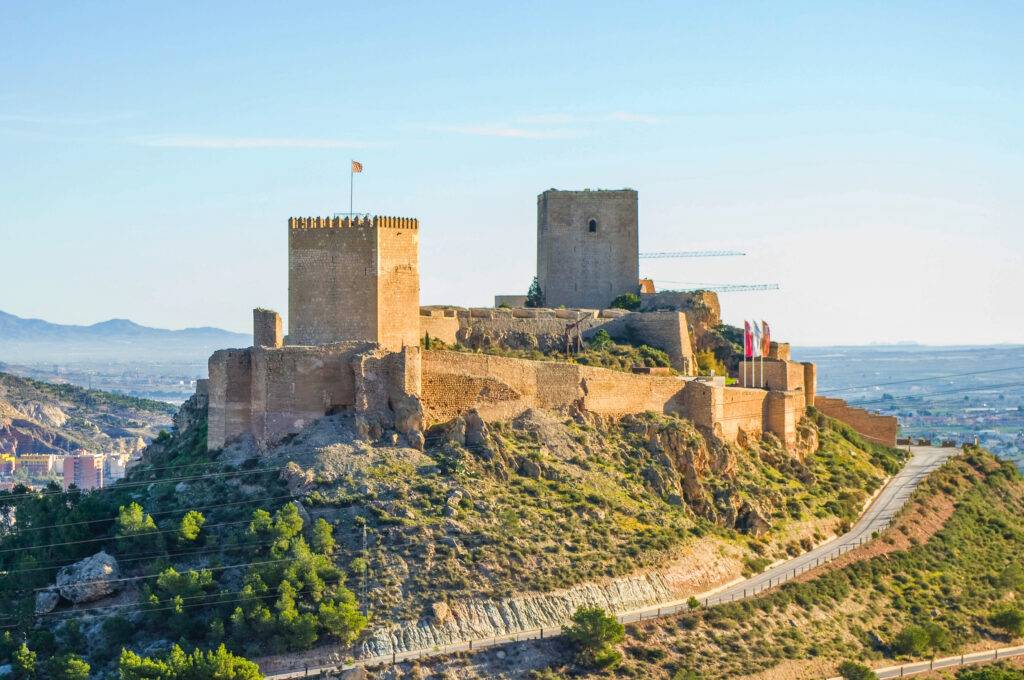
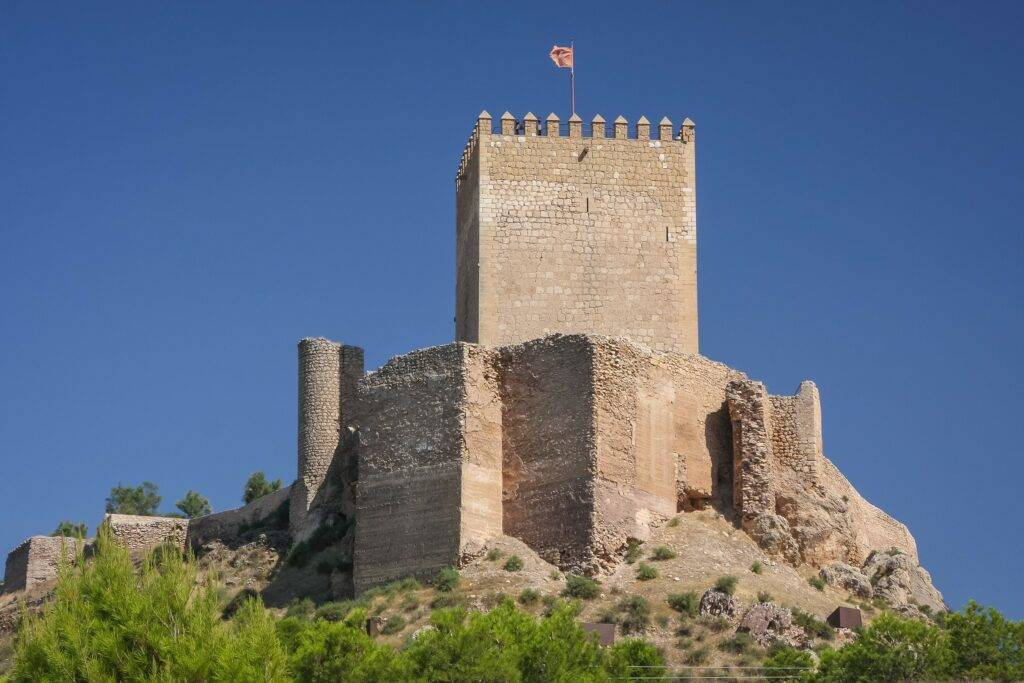
At TESELA, a comprehensive study has been carried out to characterize the mortars and historical materials from the castle. Single-layer, double-layer, and multi-layer systems have been analyzed, including wall coverings, paint layers, and traditional finishes, with the aim of understanding their composition, construction technology, and state of conservation.
To this end, a multidisciplinary methodology based on laboratory techniques has been applied, allowing for an analysis from a compositional, structural, and physical perspective, thus offering a comprehensive view of the materials’ behavior. Likewise, the study highlights the technological and constructive complexity of the mortars used in Lorca Castle, reflecting its historical evolution and the adaptation of construction techniques over time.
Where the results obtained constitute an essential scientific basis for:
- The historical interpretation of the monument
- The diagnosis of its state of conservation
- Planning restoration interventions that are compatible with the original materials
Link to news of interest: