


CHARACTERISATION OF MATERIALS FROM THE NORTH WALL OF THE ALHAMBRA (GRANADA)
The characterisation of the materials used in the northern wall of the Alhambra is a key factor in understanding both the construction techniques employed during the Nasrid period and the processes of transformation and deterioration that this defensive structure has undergone over time.
Historical and architectural significance
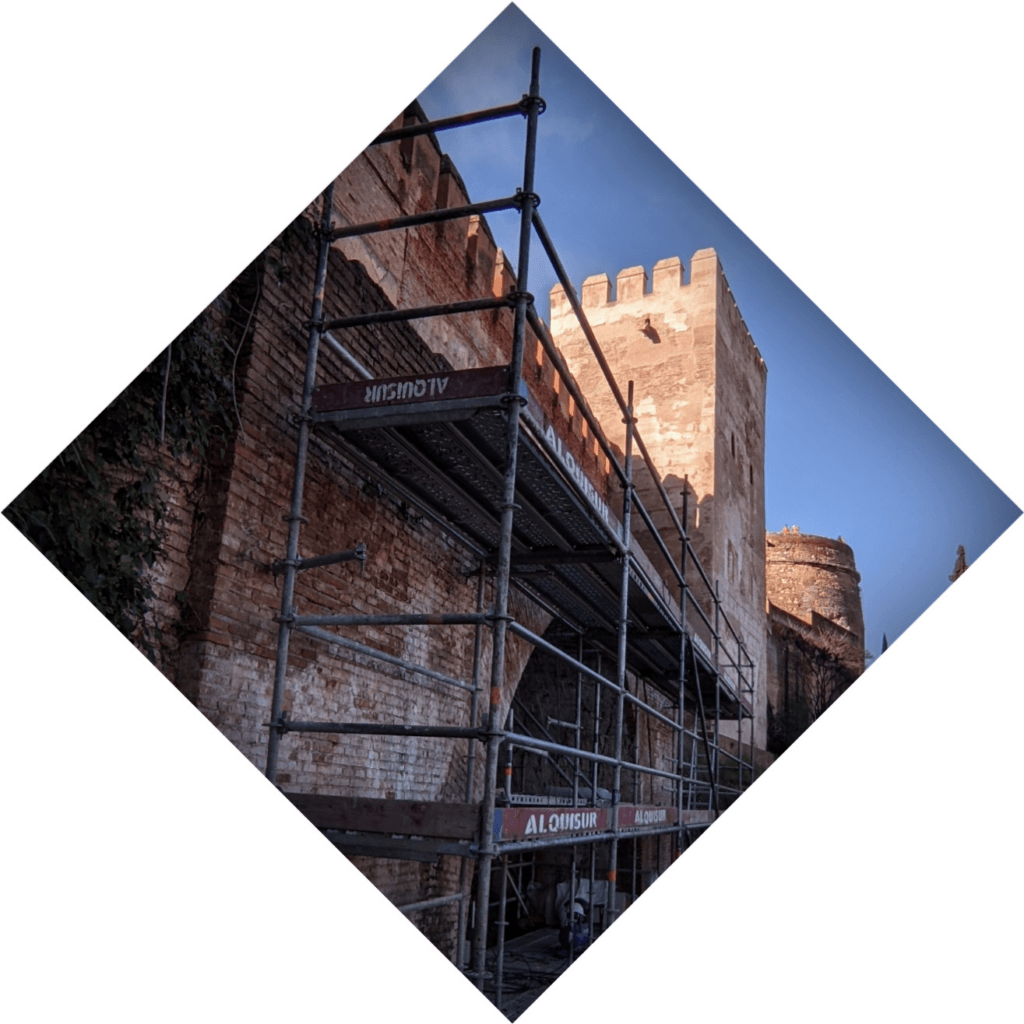
The Alhambra is one of the most iconic architectural complexes in the western Mediterranean and a landmark of the world’s historical heritage. Built between the 13th and 15th centuries, it combines defensive, residential and symbolic functions through its highly sophisticated architecture. The northern wall forms an essential part of the defensive system, adapting to the topography of the land and allowing for visual and strategic control of the surrounding area.
Building materials used
An analysis of the materials used in the northern wall of the Alhambra reveals the use of traditional materials such as:
- Lime mortars
- Compacted soil
- Ceramic components
These materials reflect construction techniques typical of medieval Islamic architecture, in which functionality and the availability of local resources were key factors.
Analysis and characterisation of materials
The study of the material characterisation of the northern wall of the Alhambra has provided insight into its composition and enabled a distinction to be made between original materials and later alterations. The mortars consist of mixtures of lime and aggregates of varying grain sizes, whilst the earthen materials show variations depending on the different construction phases.
Processes of alteration and deterioration
The main factors affecting the conservation of the city walls include:
- Humidity
- Salt crystallisation
- Surface erosion
These processes encourage the formation of deposits and crusts, which can be mistaken for original materials if a proper analysis is not carried out.
Restoration and heritage conservation
Another key aspect is the identification of restoration work carried out at different times, which has introduced materials foreign to the original construction. The characterisation of the materials used in the northern wall of the Alhambra is essential for establishing appropriate conservation criteria, ensuring the compatibility of the materials and respect for the historical value of the complex.
Conclusion
The characterisation of materials from the northern wall of the Alhambra not only provides an insight into its historical and architectural development, but also serves as an essential tool for its conservation. Studies of this kind provide key information for designing sustainable and effective conservation measures, ensuring the preservation of this heritage site of outstanding universal value.